Track your fleet's fuel consumption, card by card
Every fuel card, every refuelling and every charge attached to the right vehicle, with an alert when the tank drops without a trip.
Hosted in the European Union · GDPR · Flotauto 2025 Innovation Award · free up to 50 vehicles, then €6 excl. VAT per vehicle per month
What fuel tracking changes
- Fuel cards, refuellings, charges: payment methods and histories in a single Fuel and energy module.
- Fuel theft alert plus level and volume alerts, read on the vehicle with a GPS-OBD device or a connected vehicle.
- A fuel tab in the dashboard, filterable by site and by period.
When fuel escapes control
- The card invoice arrives at the end of the month, with no link to the kilometres actually covered.
- A 90-litre fill-up on a van with a 60-litre tank goes unnoticed in a spreadsheet.
- Electric charging is tracked elsewhere, by other people, in other files.
What you get with Dadycar
The Fuel and energy module brings together payment methods, histories and alerts. Every euro of fuel has a vehicle, a card and a date.
Fuel cards per issuer
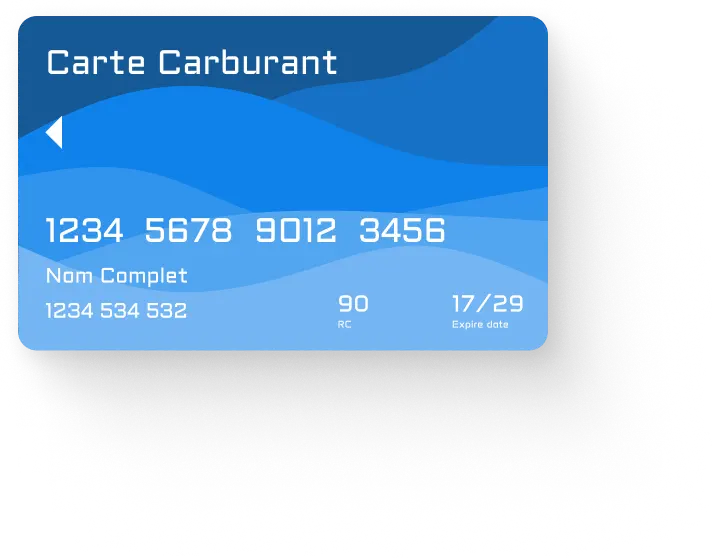
Each card is attached to a vehicle, with its issuer, its limit and its invoices, downloadable from the record.
Fuel and charging history
Combustion fill-ups and electric charging sessions are kept per vehicle, so a mixed fleet is followed on the same screen.
Invoices and limits per card
Each card carries its limit and its downloadable invoices: reconciliation with the issuer's statement is done from the record.
Level and fuel theft alerts
On a connected vehicle, level, volume and fuel theft signals are reported with severity, configurable threshold and routing to the manager.
Potential fraud anomalies
The rules engine flags transactions inconsistent with the vehicle, separately from sensor alerts.
Fuel tab in the dashboard
Fuel spend, energy mix of the fleet and trend per period, exportable and filterable by site to compare your branches.
How it works
- 1Attach your fuel cards to the vehicles. The available integrations are listed on the fuel cards page.
- 2Switch on the alerts you need. Low level, abnormal volume, fuel theft: each signal has its threshold and its recipient in the telematics alerts.
- 3Manage from the fuel tab. The dashboard cross-references spend, kilometres and energy, per site and per period.
Who it is for
- Fleet managers: one card, one vehicle, one invoice, with no manual reconciliation (see the role page).
- Transport and logistics: fuel is the first variable cost, every litre counts (see the industry page).
- Construction: vehicles on site, out of sight, with tanks to watch (see the industry page).
Your card statements, read differently
Bring a monthly fuel card statement: we show what Dadycar does with it, vehicle by vehicle.
Your questions before getting started
- “Do I need a device?” No for cards, invoices and histories. Level and fuel theft alerts require a GPS-OBD device or a connected vehicle.
- “My cards come from several issuers.” Each card carries its issuer; the available integrations are on the dedicated page.
- “What about electric vehicles?” Charging history and state of charge are tracked in the same module as fill-ups.